
A Guide for Teachers Supporting Students with POTS
What is POTS?
Postural Orthostatic Tachycardia Syndrome (POTS) is a disorder of the autonomic nervous system the system that automatically controls heart rate, blood pressure, breathing, and temperature regulation.
In students with POTS, the body has difficulty adjusting to upright posture (standing or sitting for long periods). When they stand, their heart rate increases excessively, which can lead to a range of symptoms that significantly impact school participation.
What Happens in the Body?
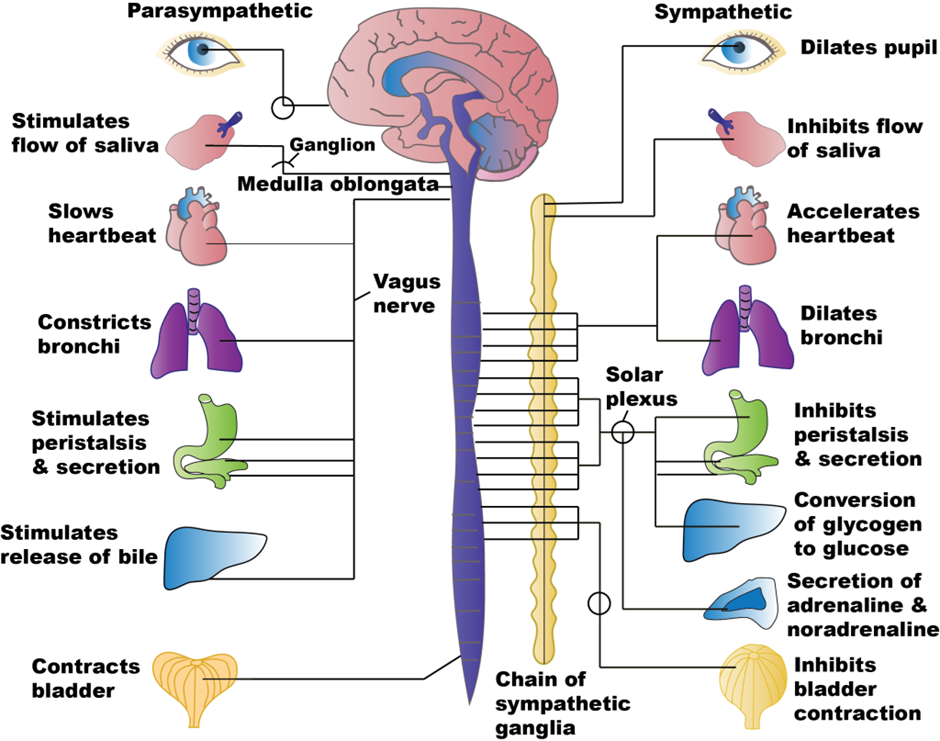
When a student with POTS stands up:
Blood may pool in the lower body
Less blood returns to the heart and brain
The heart rate rises significantly (often 30+ beats per minute increase)
The brain may receive temporarily reduced blood flow
This can result in dizziness, fatigue, and difficulty concentrating, headaches and nausea.
Common Symptoms
Students may experience:
Light-headedness or dizziness
Fainting or near-fainting episodes
Rapid heartbeat (palpitations)
Severe fatigue
Brain fog (difficulty concentrating or processing information)
Headaches
Nausea or abdominal discomfort
Temperature sensitivity
Exercise intolerance
Symptoms often fluctuate a student may appear well one day and struggle the next.
How POTS May Affect School Performance
Students with POTS may:
Struggle with sustained standing (assemblies, presentations)
Have difficulty concentrating for long periods
Need more time to process information
Experience increased fatigue as the day progresses
Have increased absences due to symptom flares often around hot environments, menstrual cycles, lack of sleep etc
Practical Classroom Strategies
1. Positioning & Movement
Allow the student to sit whenever needed
Permit leg movement, shifting position, or elevating feet
Provide access to a seat during assemblies or periods where they need to be standing for a prolonged period
Avoid prolonged standing tasks
2. Hydration & Salt
Many students with POTS are advised to increase fluids and salt intake.
Allow water bottles in class
Permit salty snacks if needed during class
Permit compression garments or stockings if medically indicated
Allow regular bathroom breaks or rest break
3. Managing Fatigue & Brain Fog
Provide written instructions as well as verbal
Break tasks into smaller chunks
Offer extended time for assessments and/or quitter room
Allow rest breaks if needed
Provide access to notes or recorded lessons if applicable and feasible
4. Attendance Flexibility
Understand that symptom flares are unpredictable
Provide flexible deadlines when appropriate
Offer remote learning options during difficult periods if possible
5. Physical Education (PE)
Students may tolerate recumbent or seated exercise better than upright running
Exercise modifications are often part of treatment and the student should be able to disengage in activities which are too high intensity (i.e., running, cross country)
Avoid forcing participation during symptom flares
Collaborate with parents and healthcare providers regarding safe activity levels
What To Do If a Student Feels Faint
If a student reports dizziness:
Have them sit or lie down immediately
Elevate legs if possible (legs resting on a chair above heart level)
Encourage slow breathing
Allow fluids
Do not force them to "push through"
If unconsciousness occurs, follow standard school first aid procedures.
Emotional Wellbeing
Students with POTS often:
Feel frustrated by fluctuating ability
Worry about being misunderstood or not “believed” as symptoms are not always able to be visually seen or understood
Feel isolated due to absences both at school and within social circles
Teacher understanding significantly reduces anxiety and improves outcomes for students
Communication Is Key
Work collaboratively with:
Parents/caregivers
School nurse (if available)
Healthcare providers
Learning support coordinators
A simple Individualised Learning Plan (ILP) can make a significant difference.
Key Takeaways for Teachers
POTS is a medical condition affecting heart rate and blood flow regulation
Symptoms fluctuate and may be invisible
Fatigue and brain fog are common and genuine
Flexibility improves participation and learning
Small adjustments can have a large impact
